Over the history of Dungeons and Dragons, few villains have earned their place as the primary villain, the Big Bad Evil Guy, the gatekeeper at the end of the adventure. Strahd, The Lord of Blades, Tiamat, Zariel, Accerak – true cream of the crop bad guys. These villains are larger than life – but they overshadow other villains who deserve a story to their own. Here are the top 11 villains in D&D that deserve the spotlight in your adventures.
11. Murgaxor, CR 9
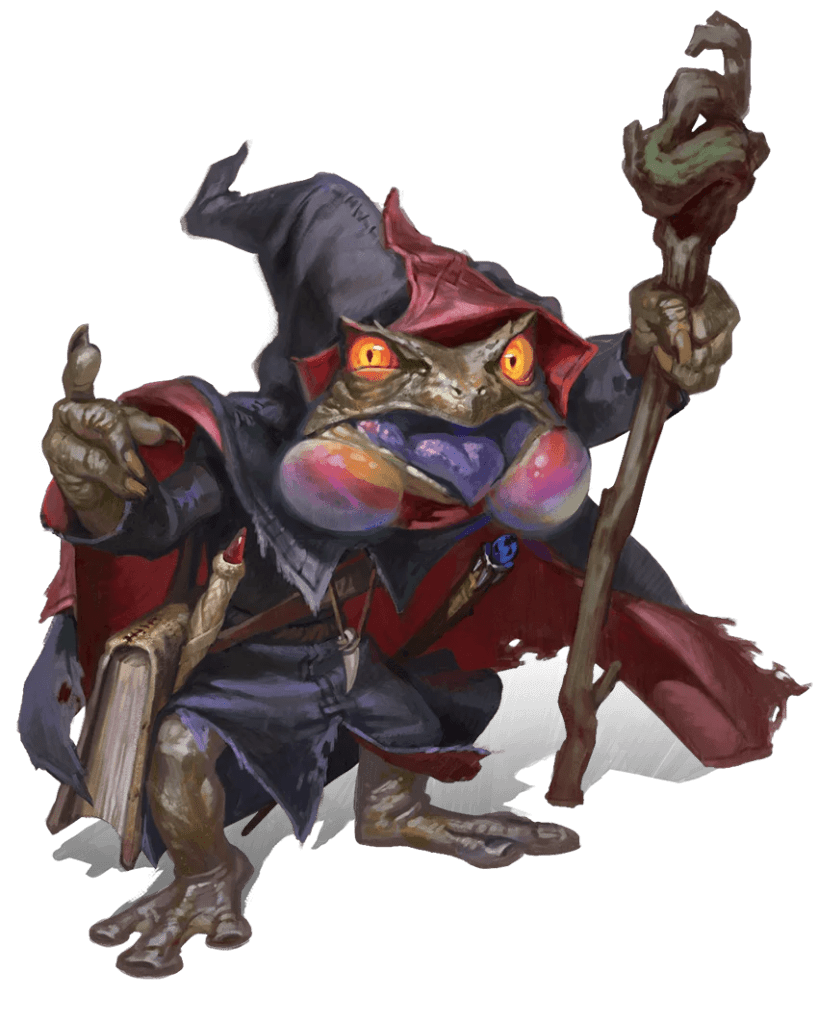
Murgaxor is the central villain of Strixhaven: A Cirrculum of Chaos, but even still doesn’t get enough love. Murgaxor is a former student of Strixhaven, a magical college in the Magic the Gathering universe. He is a bullywug blood mage, draining life around his lair off campus, and has many effects that make even approaching him entertaining. In his area of the Witherbloom campus, players make death saving throws with advantage and critical hits deal more damage, which counts for not only the players, but all the monsters surrounding the lair, and there are plenty.
Murgaxor can summon several minions, golems and mud mephits included, to do his dirty work while he attempts to complete his life-draining ritual. He doesn’t have a traditional spell list, instead using blood magic to do battle. He can sense blood from 60 feet away and summon a sphere of bloody mist dealing necrotic damage to slow down the players.
Murgaxor has a built-in plot hook: Murgaxor is attempting to complete a life draining ritual to kill everyone in the college. Murgaxor is so low on the list because he is already the primary villain of his own adventure, but Strixhaven is so vast that so few tables have had the chance to fight him.
10. Vampirates (CR 2-6)

Vampirates were introduced to fifth edition through the Spacejammer sourcebook, and they are dangerous and unique. Vampirates are undead sailors looking to hunt down ships to drain the life force from the crew, making them a looming threat to any sea or space-faring campaign. They use an energy drain attack, that when it kills a creature, transforms it into a shadow – a very powerful creature when in a group and can accompany Vampirate vessels as an extra piece of spice to an encounter.
Everything that the vampirates can do is unique, including the Vampirate Captain’s strangest ability: Ship Invisibility. If the captain is on a ship, they can turn the ship and everyone on it invisible for up to 1 hour. Even if you only are snuck up on by an invisible ship once; you’ll be rolling perception everytime you see the water.
9. Nightwalker, CR 20
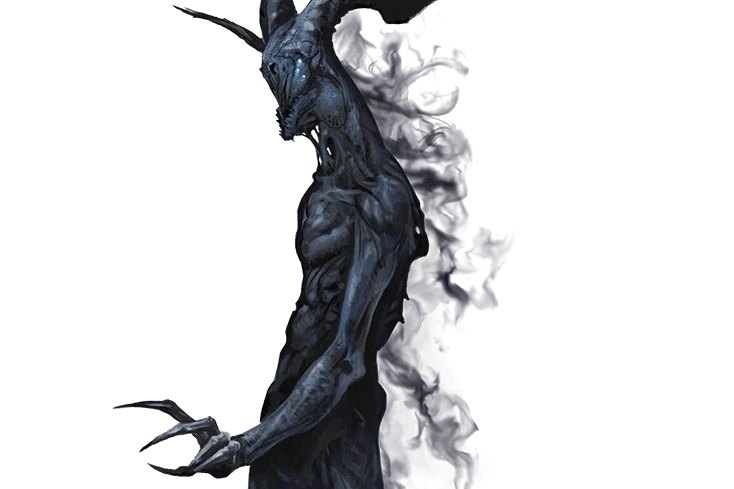
From the negative plane of energy, Nightwalkers are beings of raw death, striking down all who live. Nightwalkers are created when a living creature enters the Negative Plane, replacing them as they enter, creating balance between the planes. If someone is trapped within the plane, the Nightwalker must be lured back into the Negative Plane to free them – and if the Nightwalker dies, they will be stuck for all eternity. They only exist to kill, and kill everything that the creature trapped inside the Negative Plane loves. It’s such a simple hook that it feels wrong to explain how it could be used, but all it takes is someone the party cares about falling into the Negative Plane and being replaced with a Nightwalker, and being required to survive it and lure it back into a manifest zone.
The Nightwalker is extremely good at killing, and making sure that whatever they kill stays dead. If a creature is reduced to 0 by the Nightwalker, they are instantly killed without hope of revivification. Starting your turn within 30 feet of the Nightwalker forces you to make a constitution saving throw or take intense necrotic damage. Their basic attack, which they can do twice a turn, deals close to 30 damage and reduces the maxium hit points equal to the damage dealt. They also have the overwhelming brutal Finger of Doom ability, which targets a creature within 300 feet and causes them to become frightened, paralyzed, and take 40 damage. This thing is a beast, and well worth using in an planeswalking campaign.
8. Hellfire Engine, CR 16
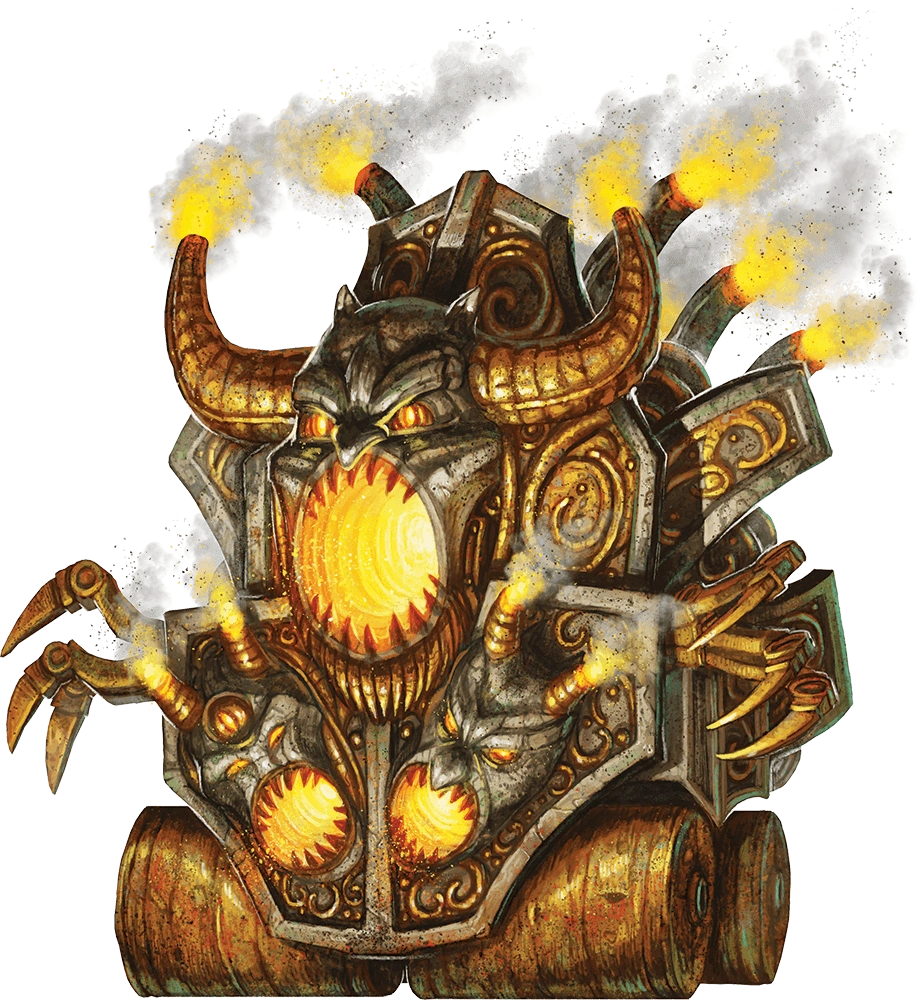
The Hellfire Engine is a massive construct that runs on lost Souls. They are created by Devil generals to aid in fighting against Demons, directed with only the need to destroy. They are not smart, they are not cunning, they are destruction and they are merciless. If you are killed by a Hellfire Engine, you are conscripted into the Devil’s armies. They can go rogue, even occasionally finding their way into the Material Plane, where their destination is whatever is within killing distance.
On their turns, the Engine can move 40 feet in a direction and crush all under it, smashing them to dust until they are freed, or become the target of one of the Hellfire Engine’s unique and painful weapons; the Bonemelt Sprayer, the Lightning Flail, and the Thunder Cannon. The number on the Hellfire Engine are immense, dealing 30 points of damage on just the ramming attack and having over 200 hit points. These things make cool and powerful bosses, and can led to sparks of creativity. My idea for a Hellfire Engine campaign is a drag-race/road-trip/demolition-derby throughout the Nine Hells, and this would be the perfect creature to be the face villain for that story.
7. Zaratan, CR 22
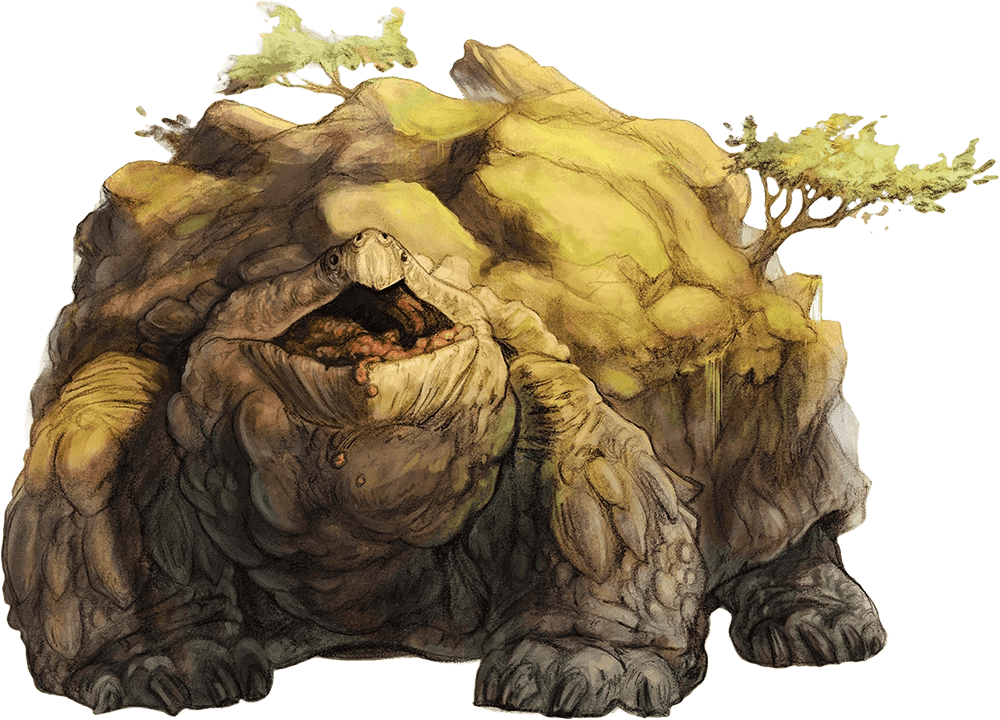
You gotta love big creatures, especially if they have nothing else going on, like the Zaratan. Zaratan is a big walking earthy turtle that comes from mythology. It’s perfect. It’s massive, so massive that simply walking creates shockwaves that deal more damage than an 8th-level earthquake. It can spit junk at creatures, dealing double the damage of a fireball if you fail to dodge it. There is nothing malicious about Zaratan, but a campaign surrounding defeating, or potentially capturing one, could be incredible. Many settings already have cities built on the back of massive sea monsters, like Exandria and Dimension 20’s Spyre, so making one a villain could have massive effects in a world. An evil township could have taken control of a Zaratan and marching it towards an enemy city. Here’s a quick hook to get you started:
The Dao Embassey has summoned a Zaratan to the material plane, and it is every so slowly inching toward the utopian metropolis Happy Trails. You and your crew are charged with keeping those inside the city safe from the Zaratan, and in return you would be permitted to join its residents.
6. Jarad Vod Savo, and the Ravnica Guild Masters

Ravinca was the first Magic the Gathering sourcebook added to Dungeons and Dragons and it included so many amazing monsters, villains, locations, and factions. This book is rarely used because Ravnica is so unlike settings like the Forgotten Realms that the work that a Dungeon Master has to put in to understand the location is so great, but if you and your player group also love Magic the Gathering or urban fantasy, Ravnica is worth a full read.
In the city of Ravnica, 10 guilds rule, each with their own mechanics and guild masters, each of which have their own motives and powers. Each of them have designated henchmen, abilities, and a cool, high powered final boss, including Jarad Vod Savo – the Golgari Lich Lord. Jarad is a powerful spellcaster with nasty attacks, legendary actions, and extremely strong regeneration. What’s so great about Jarad is that he leads the Golgari Swarm, a legion of hunters including elves, medusas, and trolls to continually pester the party and keep the tone of the campaign focused. All of the Ravnican Guildmasters are worth exploring, each with their own armies and themes, creating a diverse roster of villains and allies to explore.
5. Wastrilith, CR 13
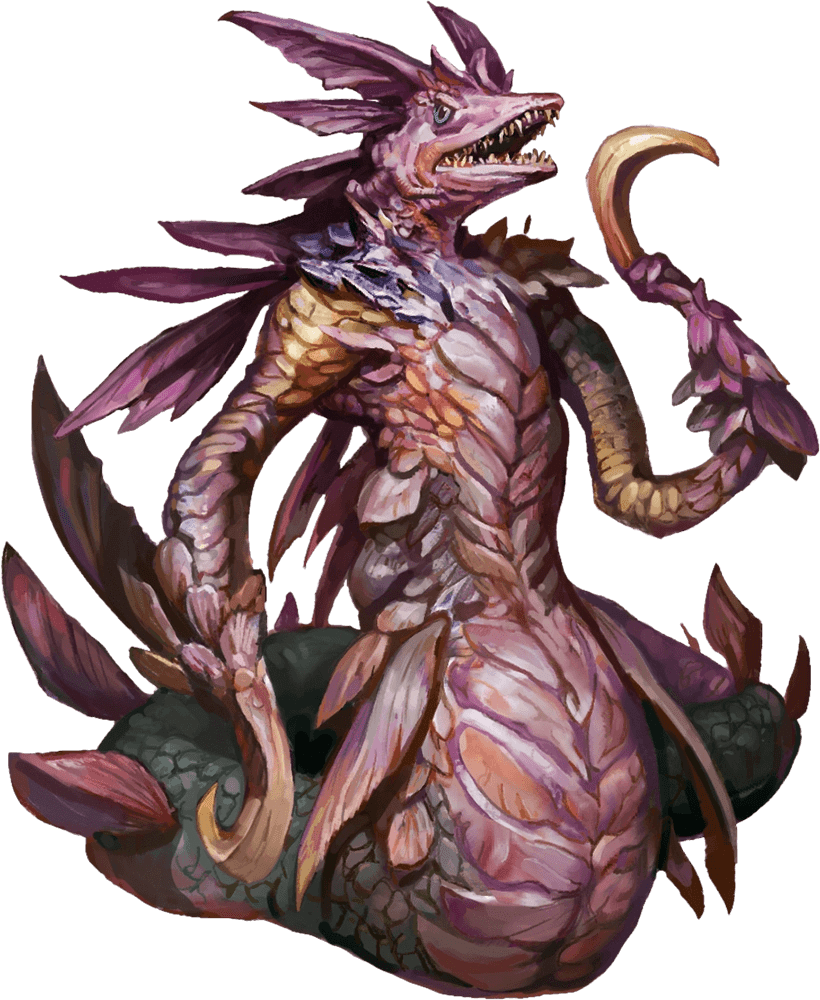
Fiends make great villains – they are powerful and cunning and everyone knows what they do. The wastrilith is a fiend that is not widely known and can still surprise veteran players. There are other strange demons, like the Marillith and the Alkilith, but the reason that the Wastrilith makes the cut is that they are unique by being aquatic. It drags people into the rivers of the Abyss, but they are so devastating to battle in an area of water. So little of Dungeons and Dragons is water combat, for good reason, but it is a challenge worth overcoming! There are so many great water monsters like the decapus and the aboleth that just can’t be used because of the fear of water combat, but with the Wastrilith, unfortunately your players will be dragged to the depths whether they want to or not because of the Wastrilith’s Grasping Spout yanking enemies 60 feet towards it, and if its underwater it can use a bonus action to use Undertow, turning the water around it into rapid slush, causing it to be harder to swim through.
Here’s a quick hook if you want to use a Wastrilith in your next campaign: The nearby lake has been seeing less and less fish, and even fewer fishermen. Beneath the lake is a cave, where a dangerous ritual is taking place to summon a water demon to drown the town. You must pursue the cult of merrow and defeat their savior, Drivar the Wastralith.
4. The Darklords of Ravenloft
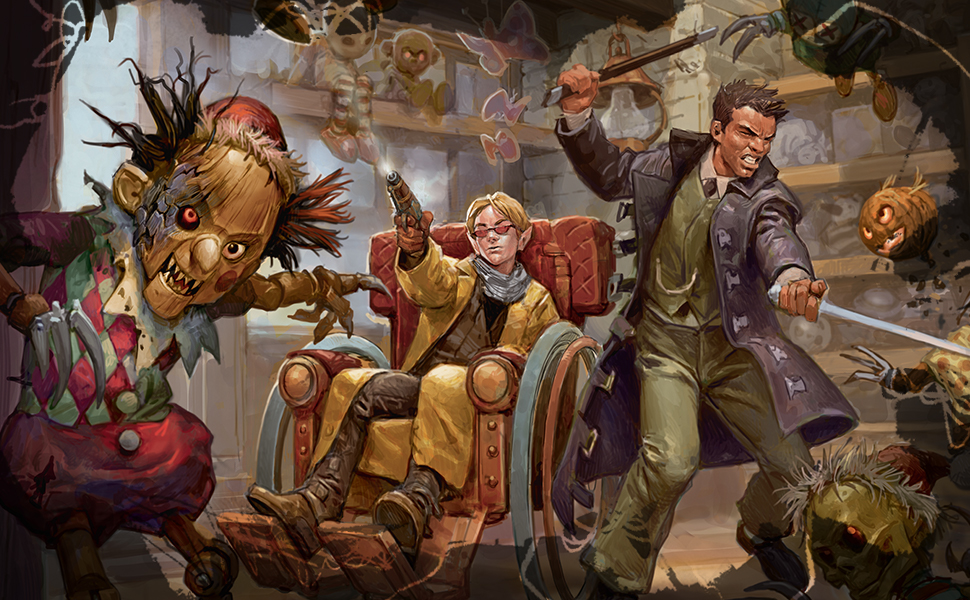
Van Richten’s Guide to Ravenloft was released including dozens of horror themed realms, each with their own Darklord, a powerful villain with power of their domain and a painful past. The Darklords vary in power and domain, meaning that whatever power level you want a campaign, there is a strange and wonderful experience that can be had in Van Richten’s Guide. If you want a low-power intrigue campaign, you can take a visit to the French city Richemulot, rife with the Gnawing Plague., and fight agaisnt a noble wererat (who wears rat slippers) or if you want to go big, you can send them to Darkon, where the Ancient Shadow Black Dragon and his zombie army are plotting in a time locked castle. Each world has its own built in hooks and ways that adventures in them can progress, my favorite being the dread domain of Valachan, where the Trial of the Hunt takes place: a deadly trial in a jungle where you are hunted by fierce trackers and displacer beasts.
In addition, the book introduces how to create your own domains of dread and Dark Lords, so if you want to place any monster at the front seat of a self-contained adventure, you can, and use any of the stat blocks or worlds that are on this list or in the monster manual. If you really wanted to create a campaign where the party is hunting down an rabid blink dog, you can put together something dreadful and a bit fun. In fact, I did. Here’s a link.
3. Jabberwock, CR 13
One, two! One, two! And through and through
The vorpal blade went snicker-snack!
He left it dead, and with its head
He went galumphing back.’

The Jabberwock is a fey hunter of legend. It is connected deeply with the rampant wilds, using its fiery gaze and confusing burble to stun and destroy its quarry. A jabberwock makes an excellent villain of a campaign. They are focused on hunting and the feywild, meaning that to start a campaign all that is required is to decide whether your players will be hunting, or hunted, but the Jabberwock. It comes with a weapon that is tied to its story, the Snicker Snack and the Vorpal Blade, meaning that the story has built in beats that could lead to great moments in the campaign.
Their confusing burble is a nasty ability, meaning that if you start your turn within 30 feet of it, you are disoriented and under a random effect, trapping you until you can beat a nasty DC 18 Constitution save. This causes parties to think smart, using ranged attacks, plugging their ears, and making for a really challenging encounter that has to be prepared for, unlike a lot of monsters where brute force will eventually take them out. Their have eyes of flame that shoot a line of flame from its eyes, burning everything around. What’s so nasty about the Jabberwock is that even in death, they cannot truly die. When killed, years later they reappear near the spot they died hunting for another victim. It’s such a perfect villain for a campaign, and it makes me sad that its buried inside a full adventure.
2. Ki-Rin, CR 12
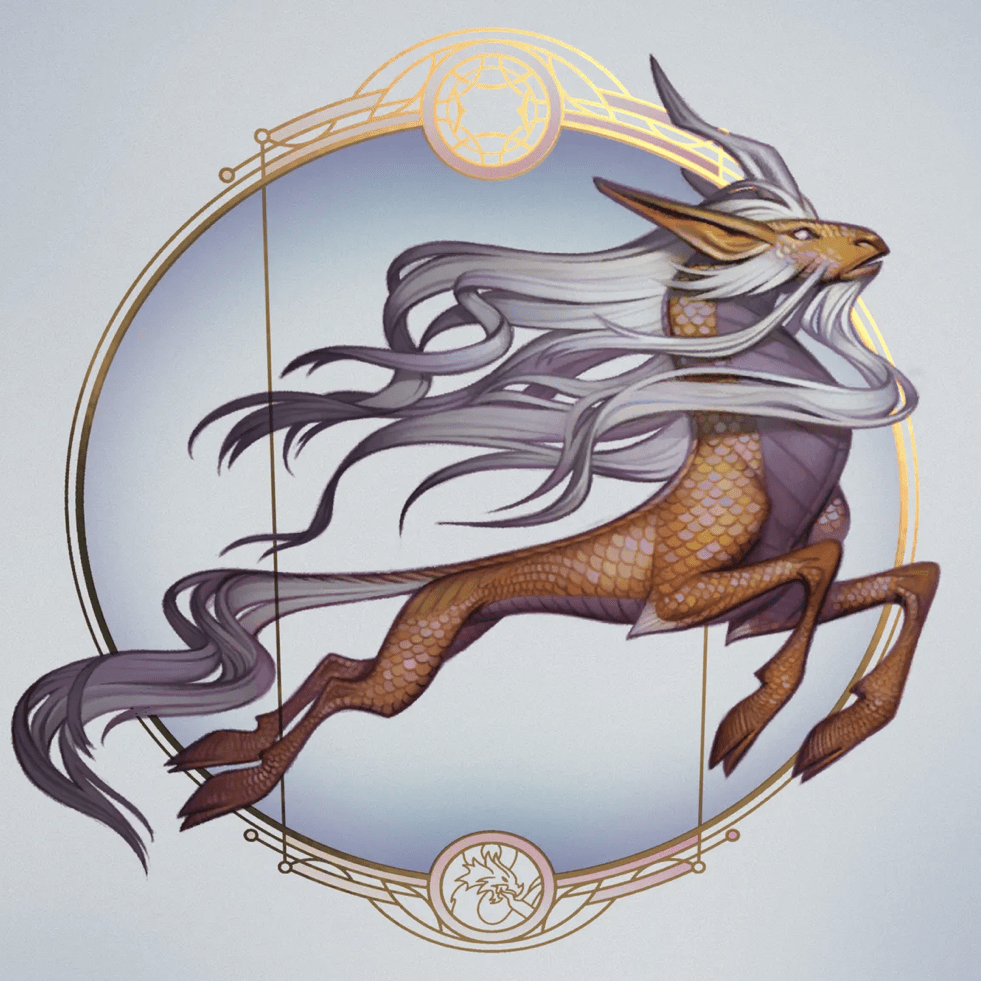
The Ki-Rin is the only creature on this list that is properly good, but it is so powerful and unique that it demands to be included. It has a long spell list, legendary actions, lair actions, resistances, lots of cool damage, and lore that is deeper than Dungeons and Dragons. Each are different, serving a god of good alignment and taking on properties of their god. They are seen as beings of destiny, and viewing one flying is an omen of good. They have magnificent lairs, sometimes even in wondrous fluffy clouds. What makes the Ki-Rin so special is that they are unlike almost all other villains in Dungeons and Dragons. They have the most unique lair of all the monsters in the Monster Manual, with abilities like Create Comforts, which summons blankets and pillows in a space. Within 3 miles, all plants and animals rapidly evolve and grow, has perfect weather, and beautiful pure waters. There is no campaign that has such a wonderful place be the final lair, which is why the Ki-Rin needs more attention.
Perhaps a Ki-Rin has been corrupted, and now serves an evil master, or just becomes so arrogant and egotistical that they lord over the land as a benevolent tyrant, doing as they please because they are making the area so beautiful. They can also cast major image at will, which is just a fun tool in the massive arsenal that the Ki-Rin provides.
1. Flumph Cloister, CR 1/8
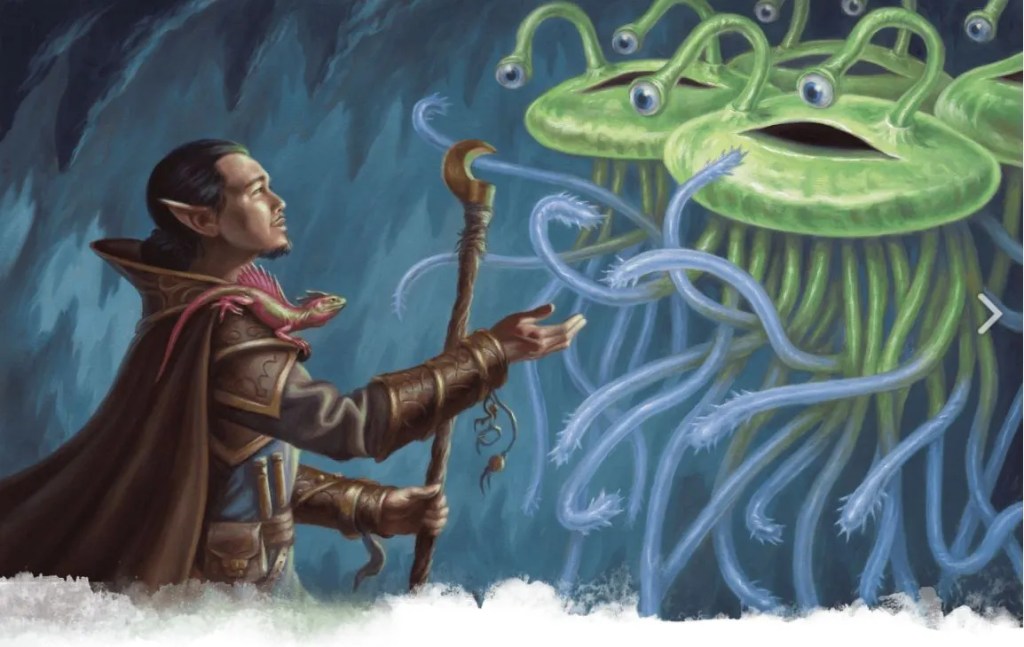
Naturally, the flumph is a being of pure good, or atleast one could be led to believe. It likes to heal, help others, and stay a strange pancake-jellyfish in the Underdark. Flumph however are not all they seem, because when they must do battle, they form into a swarm of psychic monsters known as a Flumph Cloister.
Cloisters can have hundreds of flumphs controlling it, each of which can inflict recurring acid damage or poison enemies. If you have a party who is sick of battling vampires and dragons, send them to the Underdark to hunt some Flumphs, and see the power they possess. Here’s my custom stat block for these Flumph Cloisters.
If you plan on using any of these in your campaign, feel free to let me know on Twitter!

 Trillion Bormann